

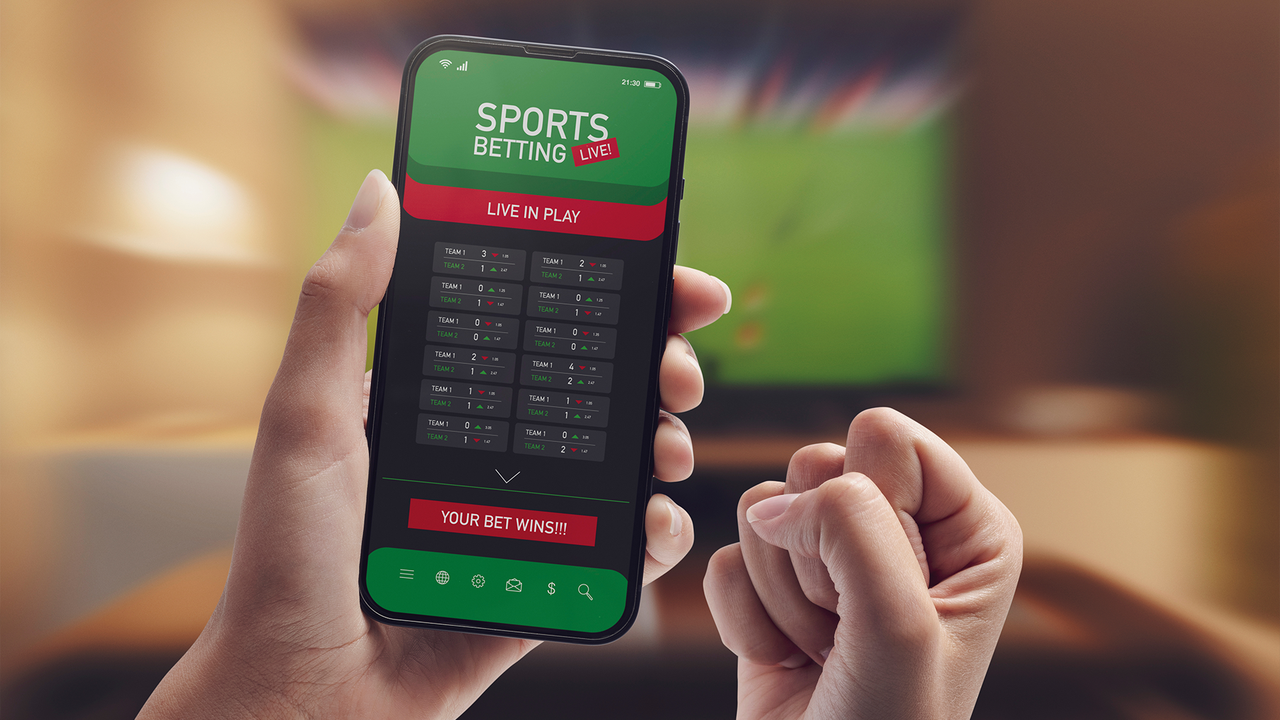
Sports betting has evolved from a casual pastime among friends into a massive global industry. Millions of fans engage with sportsbooks daily, wagering on everything from the Super Bowl to local league matches. However, distinguishing between a recreational bettor and a profitable long-term investor usually comes down to one fundamental skill: understanding the relationship between odds and probability.
Without a solid grasp of how sportsbooks calculate odds and what those numbers actually represent in terms of probability, betting is nothing more than an expensive form of guessing. By breaking down the mathematics behind the numbers, learning how to read different formats, and understanding implied probability, anyone can transition from a casual observer to a sharper, more analytical bettor.
The Core Concept: Probability in Sports
At its heart, sports betting is a game of predicting future outcomes. Probability measures the likelihood of a specific event occurring, expressed as a number between 0 and 1, or more commonly as a percentage between 0% and 100%.
-
0% Probability: The event is completely impossible.
-
100% Probability: The event is an absolute certainty.
-
50% Probability: A coin toss; the event is just as likely to happen as it is to not happen.
In sports, determining true probability is the ultimate challenge. If the Kansas City Chiefs are playing a struggling team, your independent analysis might suggest the Chiefs have an 80% chance of winning. Your goal as a bettor is to compare your calculated probability against the probability implied by the sportsbook’s odds to find value.
What Are Betting Odds?
Odds serve two primary purposes in the sports betting ecosystem. First, they dictate how much profit a winning bettor will receive based on their stake. Second, they reflect the sportsbook’s assessment of how likely an outcome is to happen, adjusted for market demand and a built-in profit margin.
Sportsbooks present these numbers in three primary formats depending on geographic location and preference: American Odds, Decimal Odds, and Fractional Odds. Because this guide focuses on US native English and the North American market, American odds will take center stage, though understanding the others provides a well-rounded perspective.
American Odds (Moneyline Format)
American odds use plus (+) and minus (-) signs attached to numbers. This format centers around a baseline figure of $100.
-
The Minus Sign (-): This indicates the favorite, or the team expected to win. The number tells you how much money you must wager to turn a $100 profit. For example, if the Los Angeles Dodgers are listed at -150, you need to risk $150 to win $100 in profit.
-
The Plus Sign (+): This indicates the underdog, or the team expected to lose. The number tells you how much profit you will win on a $100 wager. For example, if the underdog team is listed at +130, a successful $100 bet yields $130 in profit.
Decimal Odds
Popular across Europe, Canada, and Australia, decimal odds represent the total payout rather than just the profit. The number includes the original stake returned alongside the winnings. A decimal figure of 2.50 means a $10 stake results in a total return of $25 ($15 in profit plus the original $10 stake).
Fractional Odds
Traditional in the United Kingdom and heavily used in horse racing, fractional odds are written as fractions, such as 4/1 or 2/5. The number on the right represents the stake, while the number on the left represents the anticipated profit. A 4/1 bet means you win $4 for every $1 you wager.
Decoding Implied Probability
Every set of odds can be converted into an implied probability percentage. This mathematical conversion reveals the exact chance the sportsbook believes an outcome will occur based on the price they have set.
Calculating Implied Probability for Negative American Odds
The formula for negative odds is:
If a team is listed at -200:
This equals an implied probability of 66.67%.
Calculating Implied Probability for Positive American Odds
The formula for positive odds is:
If a team is listed at +150:
This equals an implied probability of 40.00%.
The House Edge: Understanding the Vig
If you calculate the implied probabilities for both sides of a standard point spread or total, you will quickly notice something interesting. The two percentages will always add up to more than 100%.
For example, a typical point spread bet on an NFL game features both sides priced at -110.
Since both sides of the bet carry an implied probability of 52.38%, the total combined probability equals 104.76%.
That extra 4.76% represents the vig, juice, or ake, which is the commission the sportsbook charges for facilitating the wager. This is the business model of the sports betting industry. The house sets the odds to ensure they make a profit regardless of the game’s actual outcome, provided they manage to balance the action evenly on both sides.
Finding Value: Where Probability Meets Odds
The single most important concept in profitable sports betting is expected value (EV). Value does not mean picking the team that you think will win; value means identifying a discrepancy between your calculated probability and the implied probability offered by the sportsbook.
Imagine a coin flip. A fair coin has a true probability of 50% for heads and 50% for tails. If a sportsbook offers you even money (+100, or 50% implied probability) on heads, that is a fair bet with zero edge. However, if a sportsbook offers you +120 (45.45% implied probability) on heads, you are getting odds that are better than the true mathematical probability of the event.
Over the long run, placing bets where your assessed probability is higher than the implied probability of the odds is the only path to sustained profitability.
Practical Steps to Apply Probability in Your Betting Strategy
Improving your betting results requires shifting away from gut feelings and adopting a systematic, analytical framework.
-
Track Your Closing Line Value: Pay attention to how the odds move from the time they open until the game starts. Beating the closing line is a strong indicator that your probability assessments are sharper than the broader market.
-
Shop for the Best Lines: Different sportsbooks assess risk and customer demand differently. Line shopping ensures you always secure the best possible odds, minimizing the impact of the vig.
-
Build a Bankroll Management Plan: Even with a favorable probability edge, variance exists in sports. Protect your capital by only risking a small, predetermined percentage of your total bankroll on any single wager.
Frequently Asked Questions
What happens to my bet if a game ends in a tie or a push?
When a game or event ends in a tie that matches the exact spread or total you wagered on, it is considered a push. The sportsbook cancels the bet and refunds your original stake in full to your account balance.
Why do sportsbooks change the odds after they are initially released?
Sportsbooks adjust their odds dynamically based on heavy public betting volume, key player injuries, sharp money from professional syndicates, and severe weather updates. Their primary goal is to minimize financial risk by balancing the money wagered on both sides.
Is betting against the public a reliable strategy?
Betting against the public, often called fading the public, works because recreational bettors heavily favor favorites, home teams, and high-scoring offenses. While it can be profitable in high-volume sports, it should be used alongside rigorous statistical analysis rather than as a standalone rule.
How do parlays affect the true probability of winning?
Parlays combine multiple individual wagers into a single ticket. While the potential payout multiplies drastically, the true probability of winning decreases exponentially because every single leg of the parlay must hit for the ticket to cash. The house also increases its profit margin on these multi-leg bets.
What is sharp money and how does it influence the odds?
Sharp money refers to wagers placed by professional, highly knowledgeable sports bettors or syndicates. Because these individuals bet large sums of money based on advanced statistical models, sportsbooks react quickly to their bets by moving the odds to protect themselves.
Can a bettor consistently beat the sportsbooks over a long period?
Yes, a small percentage of sports bettors achieve long-term profitability. These individuals treat betting like an investment portfolio, focusing on statistical modeling, line shopping, disciplined bankroll management, and exploiting mispriced odds rather than relying on luck.